The Ultimate Showdown: Why Strategy Games Outshine Puzzle Games in Today's Gaming Landscape
In the diverse realm of gaming, two genres often capture significant attention: strategy games and puzzle games. While both categories have their merits and a loyal fanbase, strategy games are increasingly becoming the favored choice among gamers. This article delves into the prevailing trends in the gaming landscape and explores why strategy games, including popular titles like Kingdom Come games and various DC RPG games, outshine their puzzle counterparts.
Understanding Strategy Games
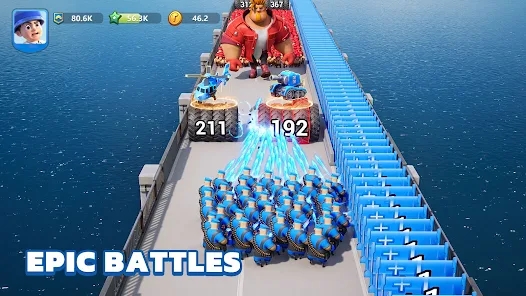
Strategy games are defined by their requirement for players to develop tactical and strategic skills. They involve careful planning and critical thinking, often placing the player in control of units, civilizations, or resources. These games can be further divided into different sub-genres, including:
- Real-Time Strategy (RTS)
- Turn-Based Strategy (TBS)
- Grand Strategy
- 4X Games (eXplore, eXpand, eXploit, eXterminate)
What Sets Strategy Games Apart?
One of the most significant aspects that place strategy games above puzzle games is their complexity and depth. Typically, strategy games require long-term planning and a comprehensive understanding of gameplay mechanics. Below are key factors that contribute to the superiority of strategy games:
| Factor | Strategy Games | Puzzle Games |
|---|---|---|
| Gameplay Complexity | High - Requires strategic thinking | Moderate - Focuses on problem-solving |
| Player Engagement | High - Requires ongoing planning | Variable - Depending on game type |
| Replay Value | High - Different outcomes based on strategy | Low to Moderate - Set puzzles often |
The Rise of Immersive Storytelling in Strategy Games
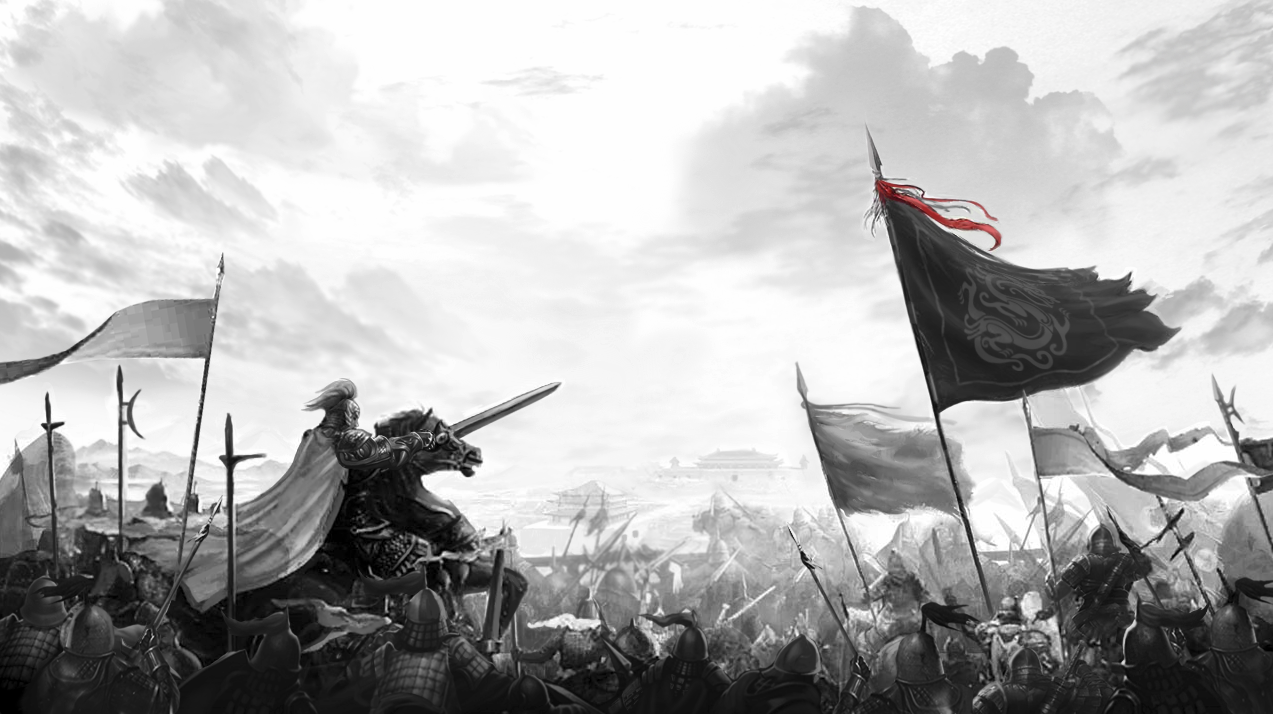
Modern strategy games have evolved to incorporate rich storytelling along with gameplay. There is often a captivating narrative that draws players into the game world. Titles like Kingdom Come: Deliverance exemplify this trend with their immersive historical settings and elaborate quests that enrich the player's experience. The storytelling aspect provides an emotional connection, allowing players to engage deeply with the game.
The Social Component of Strategy Games
With the advent of online gaming, many forays into strategy games have embraced multiplayer elements. Players can challenge friends and rivals, fostering a sense of community that puzzle games typically lack. Friendships and rivalries can develop, leading to continued engagement beyond the single-player experience.
Puzzle Games: The Current State
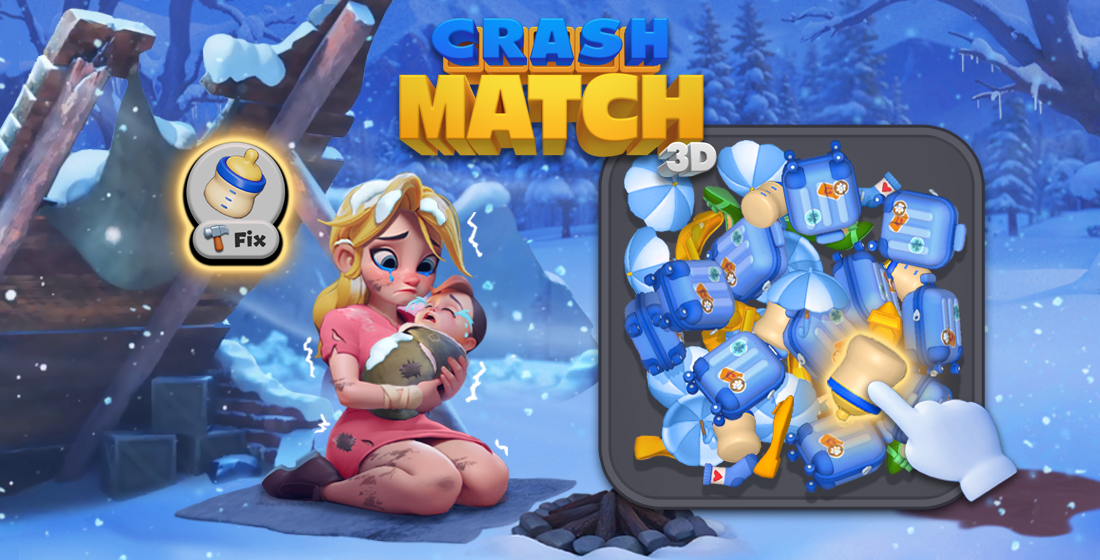
Puzzle games have long been a staple in gaming, offering quick, engaging challenges that can be enjoyable in their right. However, the simplicity of these games often leads to shorter engagement periods. Popular titles often revolve around basic mechanics that can become repetitive after prolonged play.
Accessibility vs. Depth: The Dilemma
One of the key arguments for puzzle games is their accessibility. They can often be played in short bursts, making them appealing for casual gaming. In contrast, strategy games, with their steep learning curves and complexities, might deter some players. However, this depth provides the long-term reward that dedicated players crave, fostering skills and strategies that evolve over time.
Market Trends and Player Preferences
According to recent market reports, strategy games have seen a significant rise in sales and engagement during the past few years. Factors contributing to this trend include:
- Increased availability on multiple platforms.
- The rise of eSports competitions around strategy titles.
- Community-driven development and modding—allowing for player-created content, expanding the game lifespan.
Exploring the Future of Strategy Games
The future of strategy gaming appears bright, with advancements in technology allowing for deeper mechanics and richer narratives. With better graphics and more sophisticated AI, developers can create experiences that are both immersive and challenging. Furthermore, virtual reality (VR) and augmented reality (AR) are set to revolutionize how players experience strategy games.
Conclusion: The Enduring Appeal of Strategy
In summary, while both strategy and puzzle games have their unique charm, the depth, complexity, and community engagement afforded by strategy games position them more favorably in today's gaming landscape. As gamers continue to seek engaging experiences that challenge their cognitive skills and provide a sense of accomplishment, it seems that the reign of strategy games is far from over. The blend of immersive storytelling, multiplayer fun, and a challenging environment contributes to a rich ecosystem that keeps players coming back for more.