From Idle Games to RPG Adventures: Discovering the Evolution of Interactive Entertainment
If you’ve ever found yourself mesmerized by an idle game, you’re not alone! These seemingly simple games keep players engaged through their addictive nature. But how did we transition from idle games to the rich storytelling and immersive experiences found in RPG adventures? Buckle up as we explore the evolution of interactive entertainment and see how each genre has shaped the gaming landscape.
The Rise of Idle Games
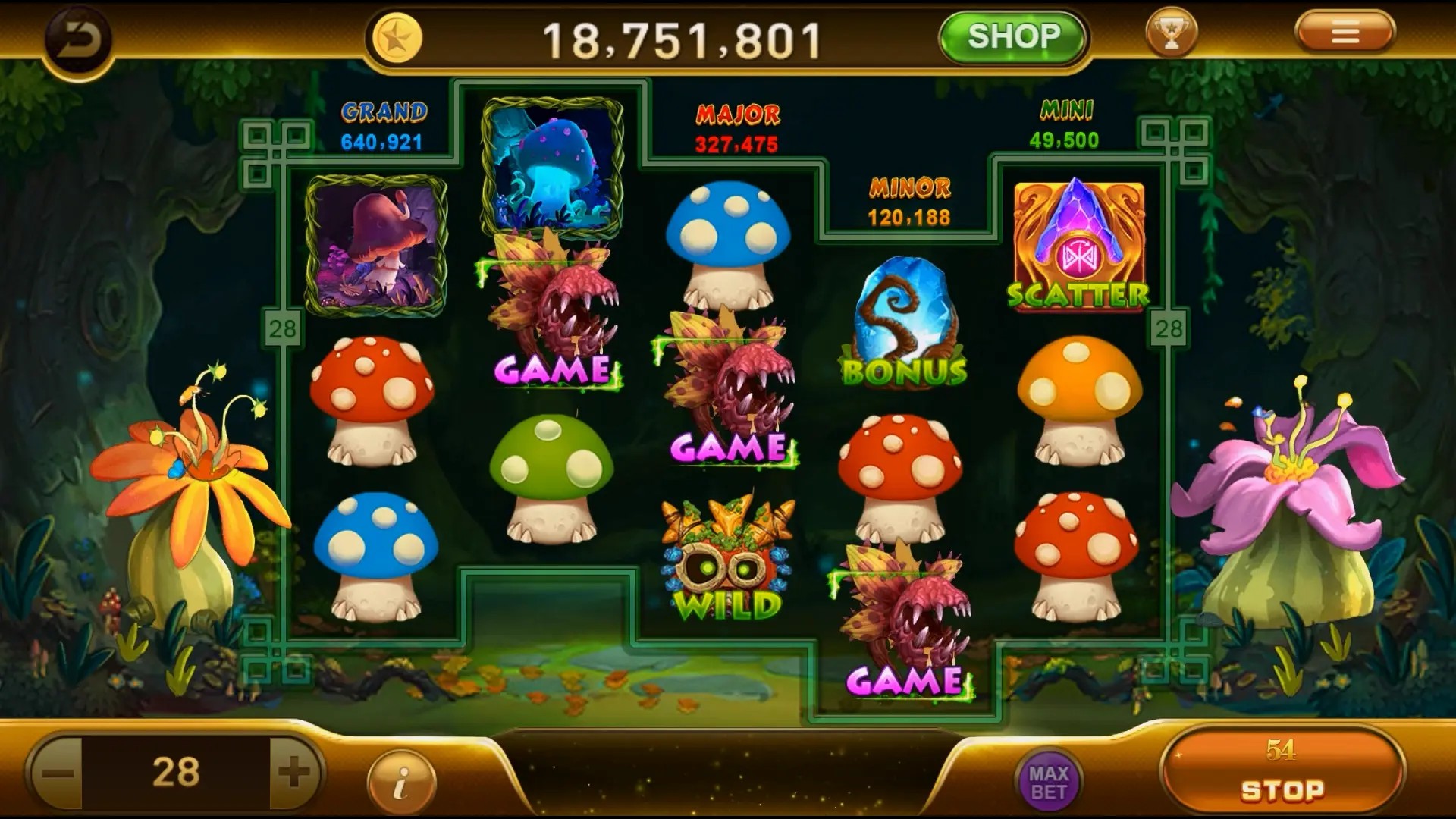
Idle games, also known as incremental games, have taken the gaming world by storm. They allow players to progress without constant interaction. At first glance, they may seem effortless, yet they harness powerful psychological hooks. Here’s why they’re so compelling:
- Minimal Effort: Players can leave the game running and still earn rewards.
- Progression Feels Empowering: Watching numbers increase is satisfying.
- Social Elements: Many idle games include features to compare scores or achievements with friends.
The Shift Towards RPG Games
As the gaming community craved deeper experiences, RPG games began to gain traction. RPGs involve player-driven stories, complex characters, and intricate worlds. What sets RPGs apart? Here’s a quick comparison between idle games and RPG games:
| Aspect | Idle Games | RPG Games |
|---|---|---|
| Engagement | Passive | Active |
| Story Depth | Minimal | Rich and Complex |
| Character Development | Static | Dynamic |
| Visual Presentation | Simplistic | High Quality |
Exploring the Nuances: Kingdoms of Amalur and Pathfinder RPG
Games like Kingdoms of Amalur dazzled players not just with combat but with engaging puzzles, such as the Livrarium Chest Puzzle. This particular challenge combines problem-solving with strategic thinking in a way that mirrors the best of RPG gameplay. Furthermore, the Pathfinder RPG card game showcases the blending of traditional RPG elements with card mechanics, making it a milestone in the genre's evolution.
The Future of Interactive Entertainment
It's evident that both idle games and RPGs have carved out their segments in the gaming market. As technology advances, we can anticipate more hybrid genres, where the quick gratification of idle mechanics meets the profound lore of RPGs. This synthesis is not only innovative but also appealing, especially to a diverse audience.
Conclusion
The journey from idle games to RPG adventures illustrates the dynamic and ever-evolving universe of interactive entertainment. Each genre contributes uniquely to the gaming tapestry, enhancing player engagement and experience. While idle games seduce with simplicity, RPGs captivate with depth and immersion. As players, we are fortunate to witness such a vibrant evolution, with endless possibilities on the horizon!